BOOK SHELF
These titles shaped the leadership values behind Concrete Jungle Lessons. Written by operators and tacticians who carried real responsibility, their work reflects the pressures, consequences, and ground‑truth realities that define old‑school leadership. Each book carries lessons that stay with you long after the reading is done.
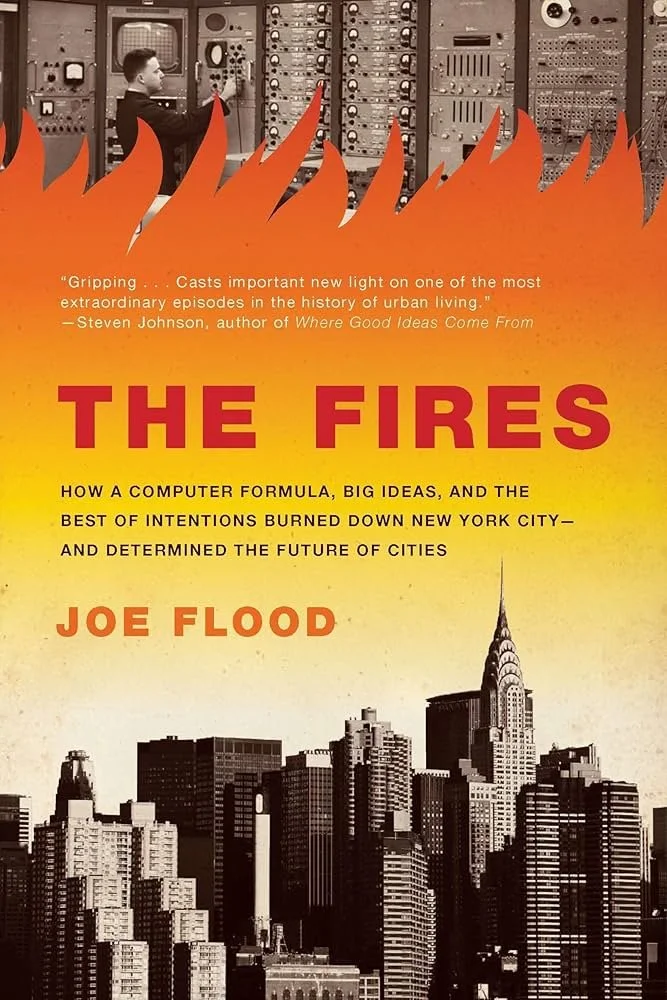
Joe Flood
The Fires traces New York City’s first attempt to run public services through computer modeling — a partnership with RAND that led to the withdrawal of fire companies from the city’s poorest neighborhoods. The result was a decade of catastrophic fires that displaced more than 600,000 residents. Joe Flood follows the officials and analysts behind the decisions, revealing how technocratic models reshaped entire communities and set patterns that modern cities still follow.
Flood underscores how leadership fails when decision‑makers trust models over the conditions on the ground.
Journalist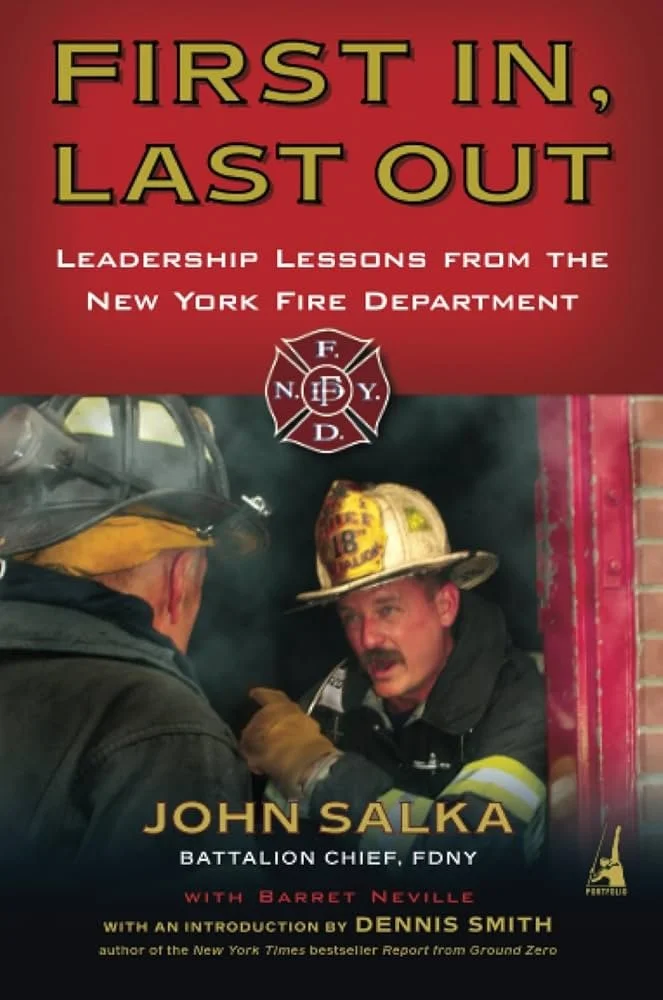
JOHN SALKA
First In, Last Out draws on John Salka’s years as an FDNY officer to show how real leadership is built in high‑pressure environments where clarity, trust, and presence determine outcomes. Through direct, street‑level stories, Salka outlines the habits that keep teams steady under fire — from taking the first risk to communicating with precision and developing people before the heat finds them.
Salka highlights that real leadership comes from stepping in first, holding the line last, and letting behavior — not rank — carry the authority.
FDNY Battalion Chief
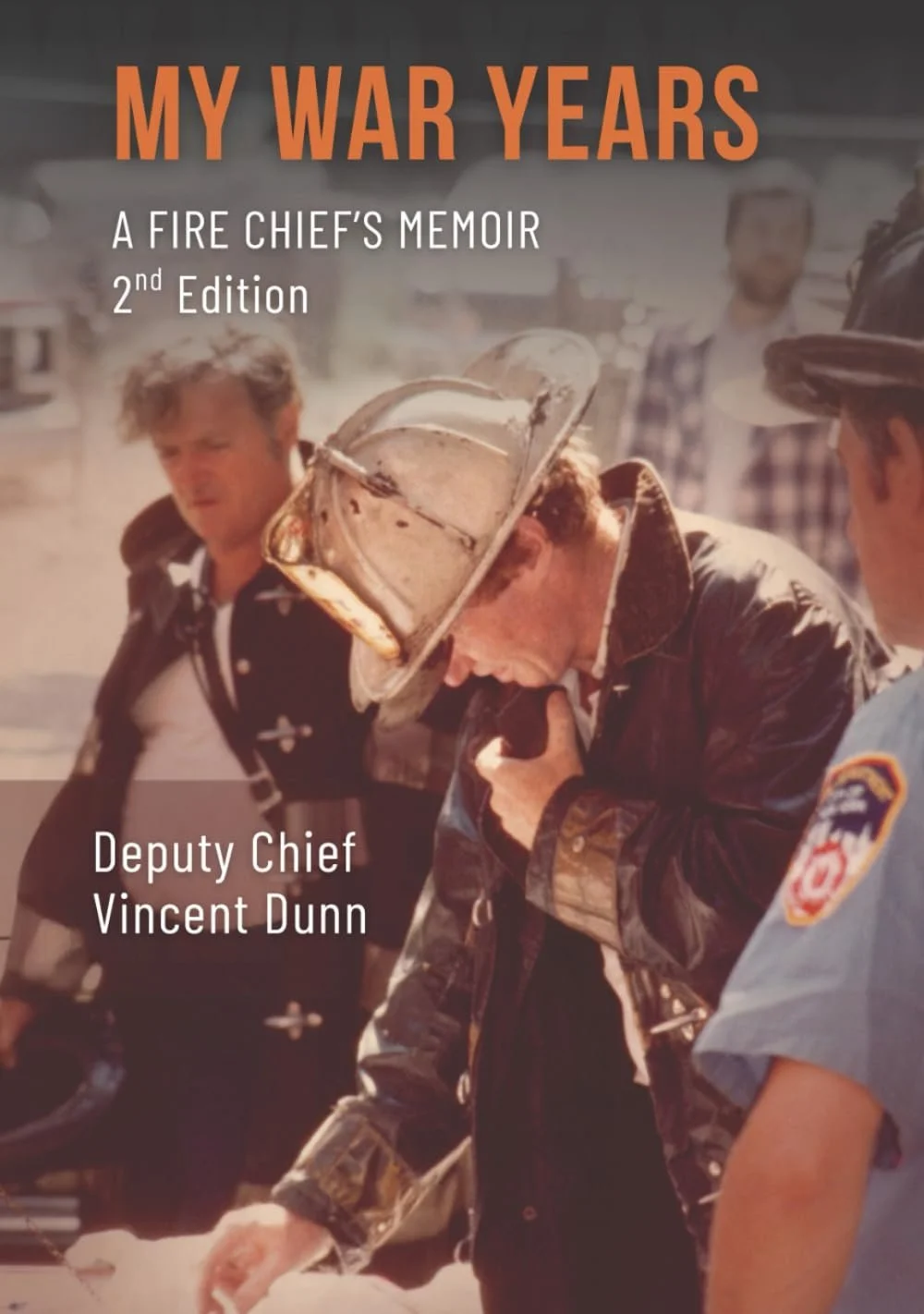
FDNY Deputy ChiefVINCENT DUNN
My War Years gathers Vincent Dunn’s vignettes from more than four decades in the FDNY, tracing the fires, people, and unexpected turns that shaped his life in and beyond the job. Through direct, experience‑driven stories, Dunn reflects on tactics learned under pressure, the accidents and luck that steered his path, and the curiosity that kept him asking why. Early mentors in the department helped channel that curiosity, setting him on a lifelong pursuit of understanding the job at its deepest level.
Dunn shows seasoned leadership comes from experience earned under pressure and the curiosity to question every assumption before it becomes a mistake.
Editor
CAROL WILLIS
Building the Empire State presents a rediscovered 1930s construction log that tracks the Empire State Building’s rise with day‑by‑day precision. The notebook captures how Starrett Brothers & Eken coordinated labor, materials, and sequencing at a scale that pushed the limits of modern engineering. Through meticulous charts, worker counts, and delivery schedules, it reveals a project driven by disciplined planning, tight resource management, and a system so well‑orchestrated the frame climbed more than a story a day.
Willis shows that effective leadership depends on systems that align people, resources, and timing so the work moves forward without chaos.