rear window (1954)
observation becomes obligation
An injury during a photography assignment has L.B. “Jeff” Jeffries recovering in his Greenwich Village apartment in a full leg cast. He is immobilized, sidelined, and physically removed from the action, yet he becomes the only person who intimately sees what’s happening. Convinced he has witnessed a murder behind closed blinds, he resolves to act when others dismiss what’s right in front of them. Rear Window becomes a study in how leaders operate when their only tools are observation, judgment, and the courage to intervene.
Leadership Lesson
Leadership begins with noticing.
Jeff proves that responsibility often starts with paying attention when others don’t and acting on what you see even when you’re not sure you’re right. His vigilance becomes a form of responsibility, forcing him to confront the tension between curiosity, privacy, and moral obligation. Leadership in this case is not about authority. It’s about the willingness to see clearly and the courage to decide what to do with what you’ve seen.
Character Psyche
Jeff is a man built for motion; a photographer who thrives on danger, travel, and adrenaline. Now he finds himself trapped in a cast and confined to a single room. The stillness forces him inward, and his camera becomes both a coping mechanism and a leadership tool. It becomes his way to impose order on chaos and make sense of a world he can no longer physically enter.
His instinct is to observe, analyze, and connect dots. He reads behavior, patterns, and inconsistencies long before anyone else acknowledges them. Once he notices something wrong, he can’t unsee it; observation becomes obligation. He must decide when watching becomes interfering, and when interfering becomes necessary. But the deeper conflict is a moral one. When does watching become responsibility? When does responsibility become intrusion? Are either of these ethical? These foundations turn a passive observer into an active moral agent.
His leadership moment is a moral line he cannot avoid:
Do I intervene in someone else’s private life?
Do I act on incomplete information?
Do I risk being wrong?
Do I risk doing nothing?
NYC Reality Check
Manhattan apartment life creates a paradox: extreme proximity and total anonymity. You see everything and yet don’t know the whole story. You live in a busy neighborhood, yet are in relative isolation. Rear Window captures the moral weight of urban living; the way people’s lives overlap without touching, and how noticing too much can become a burden.
Why It Matters Today
Modern leaders operate in an environment of constant information overload. The challenge isn’t access; it’s discernment. Jeff’s story is a reminder that leadership isn’t about reacting to everything. It’s about noticing what truly matters, interpreting it correctly, and acting with integrity even when the situation is ambiguous.
Teaching Points
Observation is action.
Jeff isn’t passive, he’s working. His stillness becomes a tool, proving that leadership often starts with the discipline to actually see what others overlook.Discernment separates insight from noise.
Everyone in the courtyard has access to the same information. Jeff is the only one who interprets it. Leaders win by noticing patterns, not by collecting data.Ambiguity exposes your defaults.
Jeff has no proof, only instincts. Uncertainty reveals who he really is: restless, morally agitated, unable to ignore what feels wrong. Pressure always shows your wiring.Awareness creates obligation.
The moment Jeff suspects danger, he inherits responsibility. Leaders don’t get to unsee a problem just because it’s inconvenient or unclear.Ethics matter more than curiosity.
Jeff wrestles with the line between vigilance and intrusion. Leadership isn’t about avoiding that line — it’s about crossing it for the right reasons and owning the consequences.Courage shows up when leverage disappears.
Jeff is injured, doubted, and operating with incomplete information. He acts anyway. Leadership often demands the most from you when you have the least to work with.Isolation distorts judgment unless you stay grounded.
Confined to his apartment, Jeff risks spiraling into certainty. He stays anchored by checking his read with others. Leaders in isolated roles need reality checks, not echo chambers.Intervention is a choice, not a right.
Jeff steps in not because he has authority, but because doing nothing would be a moral failure. Leadership is defined by the moment you decide to act, not the permission you have to do so.
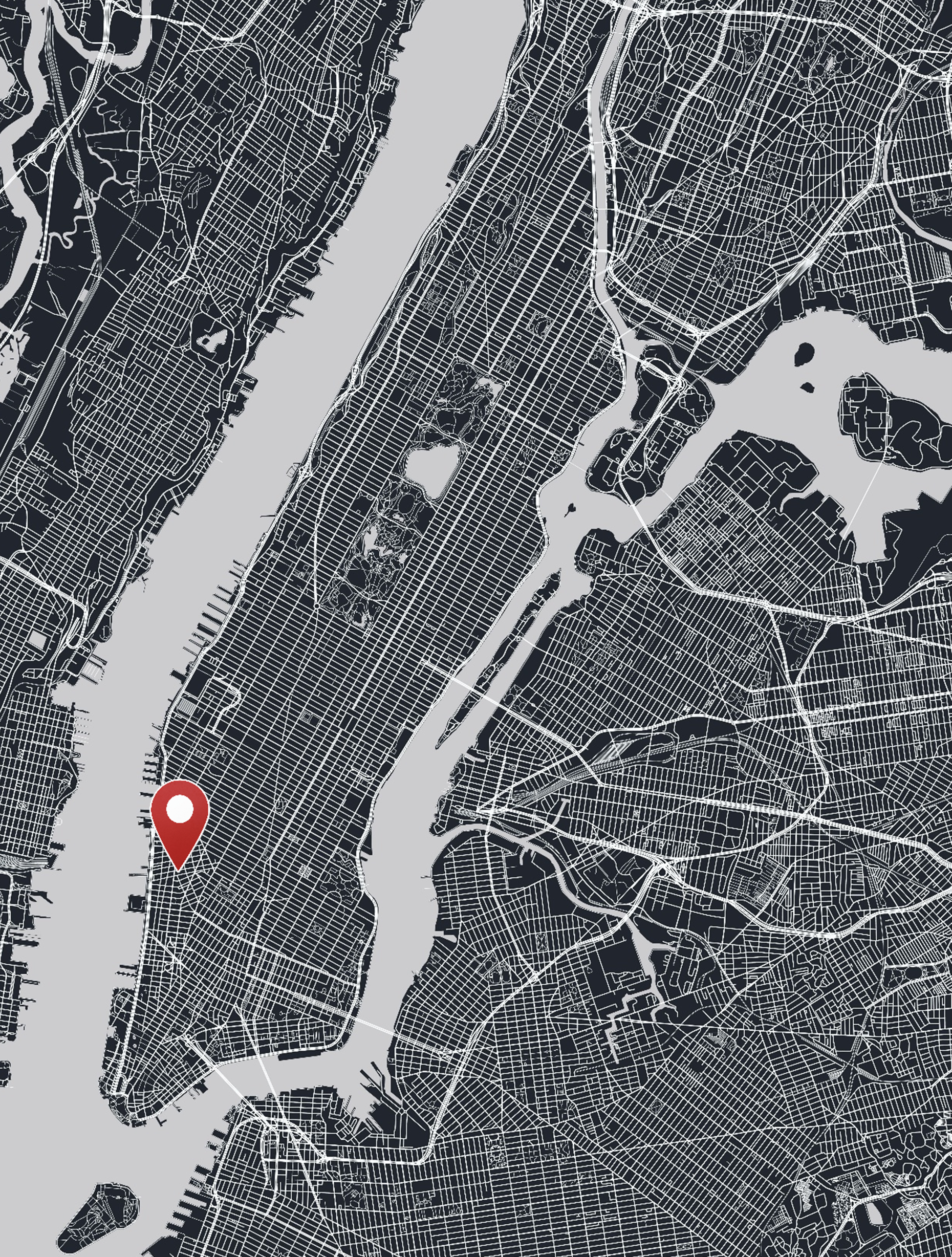
L.B. “Jeff” Jeffries’ residence, anchored to 246 West 10th Street using the address referenced in the film
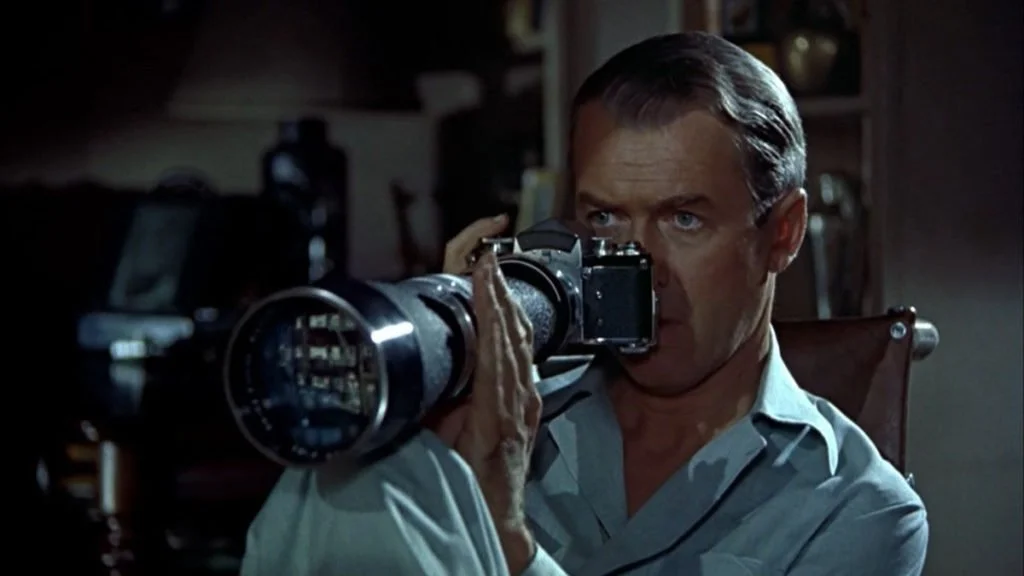
Jeff settles behind his camera, observing life at a distance he can manage but never quite enter.