the naked city (1948)
Mentorship Under Pressure
A young model named Jean Dexter is found murdered in her Manhattan apartment, and the case falls to veteran detective Lt. Dan Muldoon and his younger partner, Jimmy Halloran. As they move through the city’s apartments, streets, gyms, bars, and riverfronts, the investigation becomes less about the crime and more about how two vastly different men handle pressure. Muldoon brings steadiness, patience, and a systems‑level understanding of the city. Halloran brings energy, instinct, and the urgency of someone still learning how to slow down and see clearly. The case becomes the crucible through which Halloran is shaped and Muldoon’s mentorship becomes the backbone of the story.
The Naked City is more than a ground-breaking, Oscar winning police procedural; it’s a study in how leadership is passed from one generation to the next. Lt. Dan Muldoon and Detective Jimmy Halloran work the same case, walk the same streets, and face the same pressures, but they carry distinct levels of experience, judgment, and emotional control. Their dynamic becomes a blueprint for how successful leaders shape emerging talent: not through condescension or authority, but through a calm presence, modeling behavior, and the quiet discipline of teaching under real‑world conditions.
There are 8 million stories in the City. This story is about how people are built: one decision, one correction, one moment of pressure at a time.
Leadership Lesson
Leadership is the ability to develop others while maintaining clarity, steadiness, and judgment under pressure. Muldoon teaches not by commanding, but by shaping Halloran’s instincts in real time, in his own gentle style. Lt. Muldoon embodies the most enduring form of leadership; the kind that builds people, not just cases.
CASE STUDY 1: LT. DAN MULDOON - The Teacher
Character Psyche
Muldoon is a veteran shaped by years of navigating a city that never stops testing your judgment. He knows panic creates mistakes, ego creates blind spots, and shortcuts create collateral damage. His influence comes from restraint. The ability to stay calm, ask the right questions and keeping the investigation grounded when the environment pulls everyone towards urgency, are traits borne from experience. He carries the weight of this experience quietly, using humor and patience as tools to regulate the emotional temperature of the team.
Muldoon’s leadership is not performative or cynical. It’s procedural, steady, and rooted in the belief that good detectives are built through repetition, exposure, and accountability. He has truly seen it all, and he understands his job is not just to solve cases, but also to pass on the wisdom that keeps younger detectives alive.
NYC Reality Check
Post-war New York is crowded, unpredictable, and indifferent to rank. Muldoon’s leadership style fits the city: methodical, observant, and grounded in the rhythms of a place where chaos is normal and emotional control without becoming cynical is survival.
Why It Still Matters
Modern leaders face the same pressures: limited information, high stakes, and teams looking for direction. Muldoon shows that leadership is not charisma. It is the discipline of staying steady when others accelerate, and the willingness to teach even when the environment demands speed.
Teaching Points
Steadiness sets the tone - Muldoon’s calm presence regulates the entire investigation.
Experience is only useful when shared - He teaches Halloran how to think, not what to think.
Restraint is strength - He avoids theatrics and focuses on facts, process, and pacing.
Leadership is emotional temperature control - He keeps the team from spiraling into frustration or tunnel vision.
Systems thinking beats heroics - Muldoon sees the city as an interconnected organism and works the case accordingly.
CASE STUDY 2: DETECTIVE JIMMY HALLORAN - The Student
Character Psyche
Halloran is capable, eager, and mostly untested; a young detective trying to prove himself in a city that does not care about potential. Beneath his enthusiasm is a man wrestling with the gap between how he wants to be seen and what the job demands. He looks to Muldoon for structure, but what he really absorbs is emotional pacing: when to push, when to wait, when to observe, and when to act.
Halloran’s early instincts are reactive. He wants to move fast, solve fast, and validate his place on the team. But the case forces him into situations where speed becomes a liability. He must make decisions without a safety net, and each moment tests whether he can apply Muldoon’s lessons under pressure. His growth is not just technical, it’s psychological too. He learns to slow down, read the room, and manage his own impulses. He shifts from wanting to impress to wanting to get it right.
Halloran’s arc is the heart of the film: leadership isn’t a title or rank, its’s a series of choices made under pressure, especially when no one is there to guide you.
NYC Reality Check
The city Halloran works in is unforgiving: tight apartments, crowded streets, and a public that expects answers fast. Every interaction tests his composure and his judgement. The job demands emotional intelligence, adaptability, and the ability to read people in real time. These are the skills he develops through exposure, correction, and consequence.
Why It Still Matters
Halloran represents every emerging leader thrown into responsibility before they feel ready. His growth shows that leadership is earned through judgment, humility, and the willingness to learn from mistakes. It does not come from confidence or ambition alone.
Teaching Points
Pressure reveals readiness - Halloran grows most when Muldoon steps back.
Curiosity beats assumption - His breakthroughs come from asking questions others overlook.
Emotional control is a skill - He learns to manage urgency without letting it cloud judgment.
Responsibility sharpens judgment - The case forces him to understand the weight of his decisions.
Leadership is earned through action - He becomes a leader not by rank, but by how he carries himself when the city pushes back.
THE TEACHER–STUDENT DYNAMIC: HOW LEADERS BUILD PEOPLE
Muldoon and Halloran are not opposites, but rather two stages of the same leadership journey. Muldoon represents mastery: calm, measured, and grounded. Halloran represents emergence: eager, raw, and learning. Their relationship shows that leadership development is not just technical training; it is also exposure, correction, modeling, and trust.
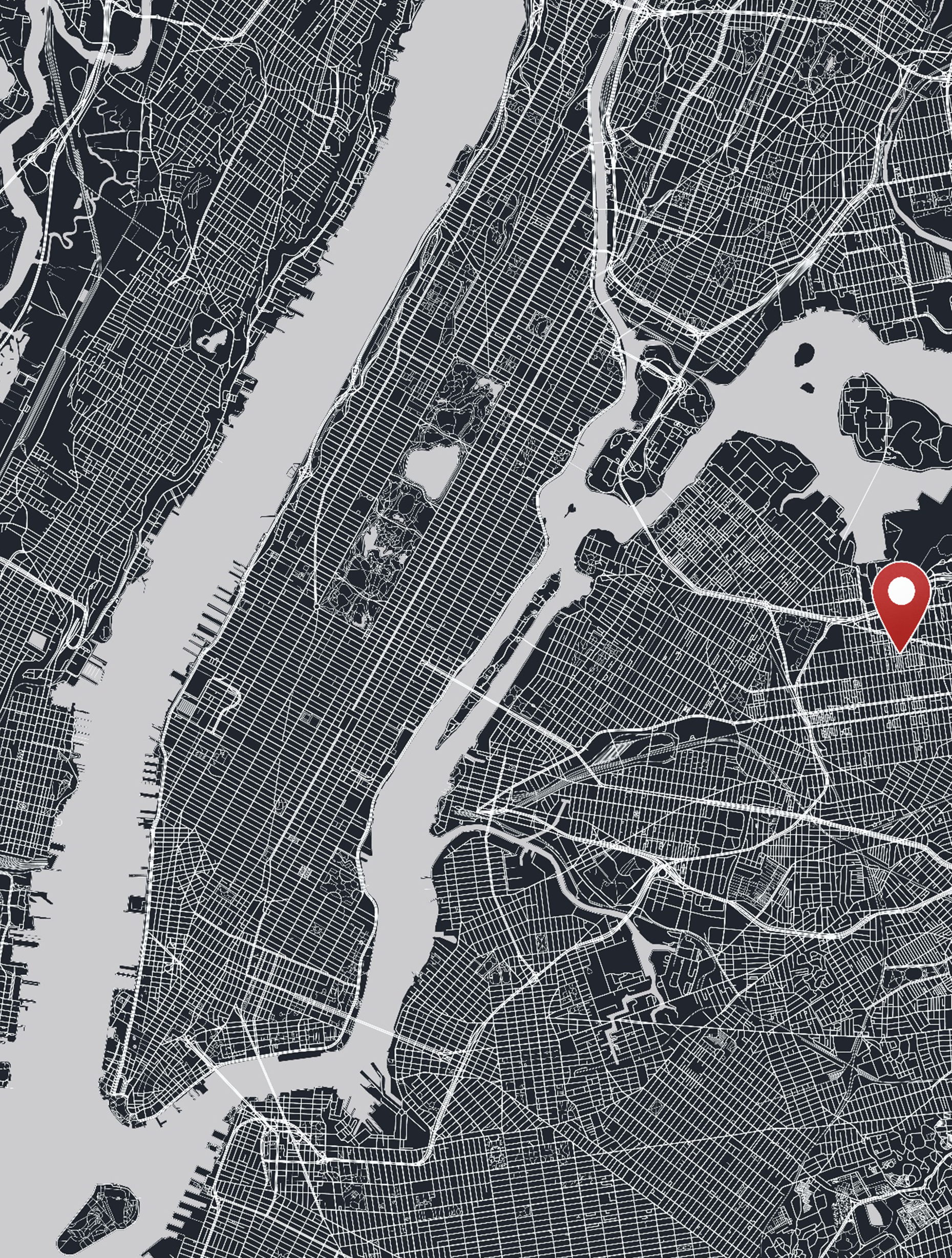
Detective Jimmy Halloran lived at 86‑19 30th Avenue Jackson Heights, Queens
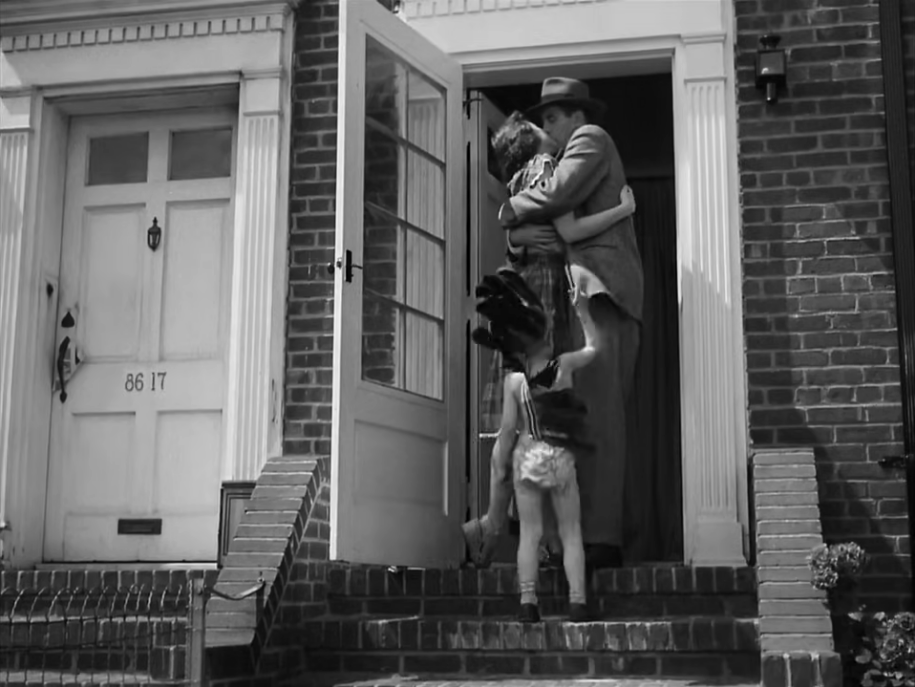
Halloran lingers on the stoop with his wife and son, a brief pause before the city pulls him back again.
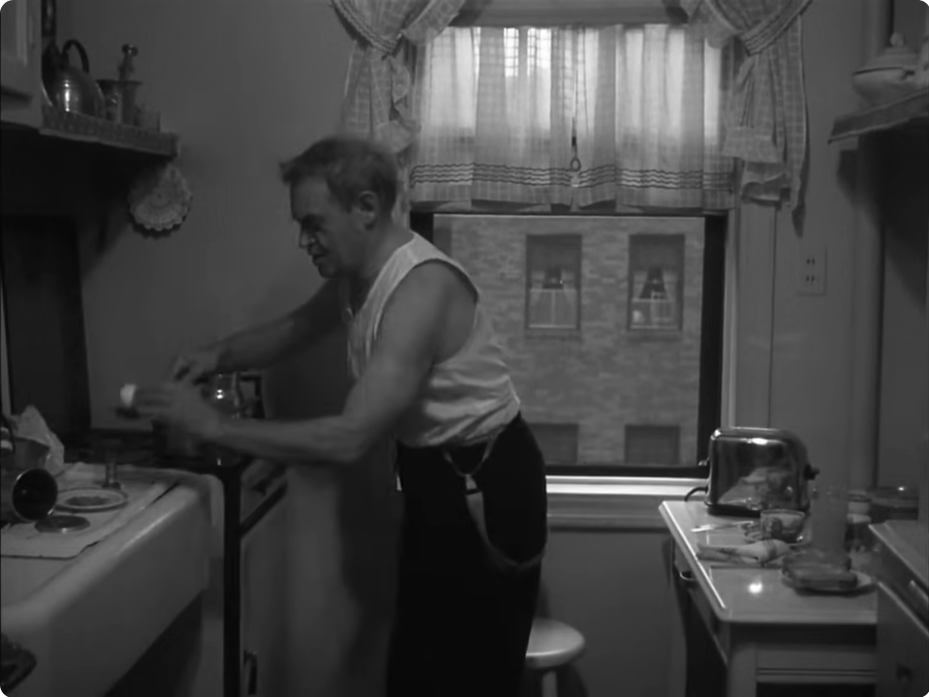
Muldoon moves through his morning routine in the quiet of his kitchen, a moment of solitude before the day takes hold.