THE OUT-OF-TOWNERS (1970)
When you are the problem
New York City, 1970. Rising crime, garbage strikes, transit chaos — the city is a pressure cooker with no release valve. Into this mess walks George Kellerman, a man on a mission to make his promotion interview and prove he’s the picture of reliability. But he builds a plan so rigid it snaps the moment it hits real life. One missed flight, one lost suitcase, one wrong turn, and suddenly the city becomes a mirror he can’t escape. Every setback is self‑inflicted, every disaster amplified by his refusal to bend
Leadership Lesson
Rigidity is a liability. Leaders who can’t adapt create their own emergencies.
George Kellerman doesn’t fail because New York is chaotic. He fails because he insists the world conform to his precise expectations. His perfectionism results in plans that leave no room for error. His pride and self‑righteousness cause him to ignore the advice of people with far more experience than him. His obsession with deadlines makes him blind to better alternatives while he presses on through the same chaos. This inability to pivot causes minor inconveniences to domino into a full‑blown catastrophe.
Character Psyche
George Kellerman walks into New York with a worldview carved in stone: order is proof of competence, and competence is proof of worth. He’s a man who believes the universe should reward preparation, punctuality, and propriety . When it doesn’t, he takes it as a personal insult. Underneath the bluster is a quiet fear: if he loosens his grip for even a second, everything he’s built: his identity, his dignity, and his sense of control will collapse. So he doubles down. Every setback becomes an affront, every deviation a threat, every stranger an obstacle. He isn’t fighting the city; he’s fighting the terror of being exposed as someone who can’t command it.
As the night unravels, George’s rigidity becomes a kind of armor he can’t take off. He interprets chaos as disrespect, inconvenience as injustice, and advice as an attack on his authority. His pride won’t let him pivot, because pivoting would mean admitting the world doesn’t run on his rules. What makes his spiral so compelling and so painfully familiar is that he’s not a villain. He’s a man whose self‑image is so fragile that he mistakes stubbornness for strength. New York doesn’t break him; it reveals him. And what it reveals is a leader who would rather cling to a collapsing plan than confront the truth that he’s the one making it worse.
NYC Reality Check
1970 New York City was a living stress test: strikes, crime, infrastructure failures, and a city government barely holding the seams together. For outsiders, it felt hostile. For locals, it was just another day. The city didn’t “attack” George. It simply didn’t care about his expectations. That’s the real New York lesson: the city doesn’t bend for you.
Why It Still Matters
Modern leadership environments such as operations, logistics, emergency response, or any high‑tempo field, mirror the same conditions George encountered. Unpredictable variables, imperfect information, constant friction, human error and tight deadlines are a fact of life. Leaders must navigate environments that don’t care about their plans, only their response. Leaders who adapt survive. Leaders who stay self‑aware thrive.
Teaching Points
Plans are fragile. Principles aren’t.
George treats his itinerary like a moral code, and when reality pushes back, he doubles down instead of adjusting.Ambition without situational awareness is dangerous.
He wants the promotion so badly that he stops reading the room, the city, and the people trying to help him. This turns his drive into self‑sabotage.Pressure reveals your defaults.
Under stress, George becomes defensive, tunnel‑visioned, and self‑righteous. These are not traits created by New York, but traits exposed by it.Blame is a shield that blocks growth.
He points at the airline, the cabbie, the hotel; everyone but himself and learns nothing in the process.Adaptability is a survival skill, not a luxury.
New York rewards flexibility and punishes rigidity. The moment George stops adjusting, his problems start multiplying.Humor doesn’t erase consequence.
The film is funny, but the lesson isn’t: your mindset determines whether you rise from setbacks or spiral into them.
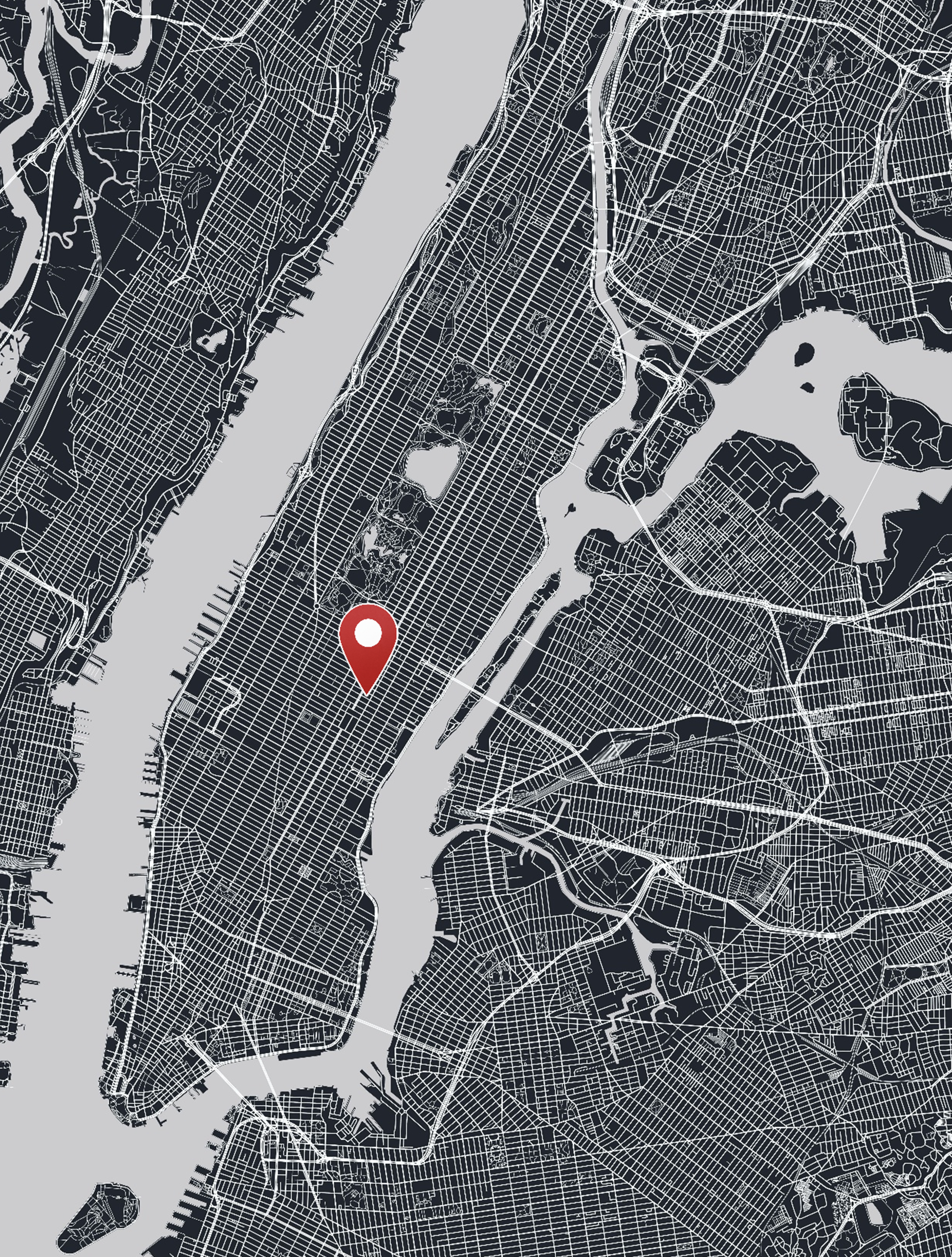
George Kellerman’s destination was the
Waldorf-Astoria Hotel at 301 Park Avenue
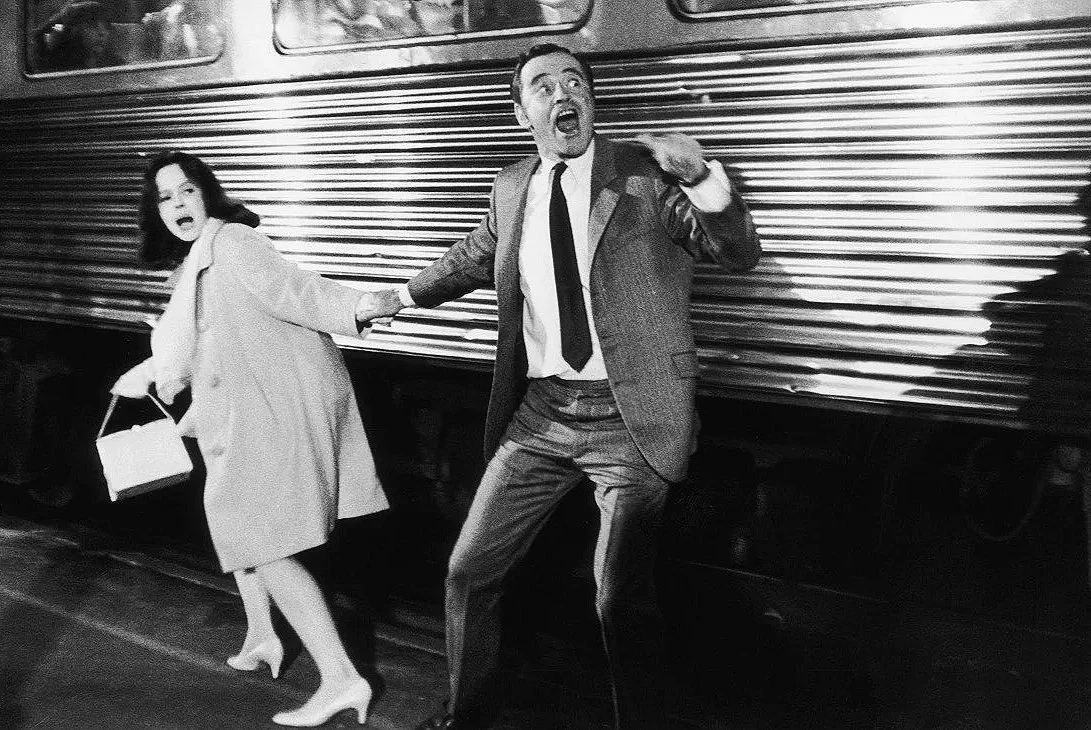
George and Gwen sprint through the station, swept into a pace he can’t control and a plan he refuses to let go of.