WEST SIDE STORY (1961)
Pride destroys its own tribe
New York in the early 1960’s is a city caught between old neighborhoods and new pressures — a place where streets become borders and identity becomes territory. On the West Side, under the heat of summer and the shadow of urban renewal, two tribes of young men carve out space in a world that keeps shifting beneath their feet. In the alleys, on the rooftops, and over the rubble, the Jets and the Sharks circle each other with the choreography of people who have learned to survive through posture, pride, and presence.
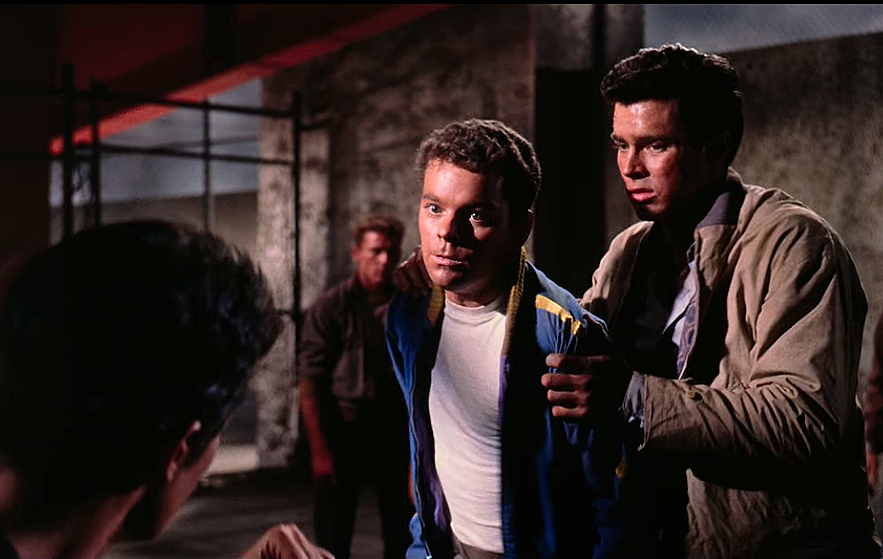
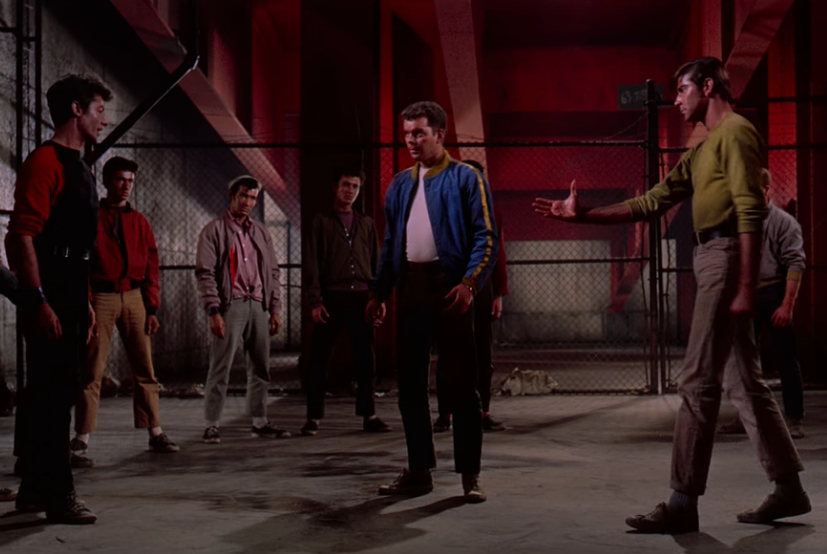
West Side Story is a musical on the surface, but beneath the color and movement is a sharp study of leadership shaped by identity and pressure. Riff and Bernardo aren’t just rival gang leaders; they are two young men carrying the expectations of their crews, their cultures, and their histories. Their conflict becomes a case study in how leaders inherit the fears of their environment, how pride becomes a form of armor, and how territorial loyalty can harden into something neither man can control.
Leadership Lesson
Riff and Bernardo lead through identity, pride, and territorial loyalty. These are the only currencies that matter in their closed world. Their crews don’t follow them because of strategy or vision; they follow them because the tribe needs certainty, posture, and someone willing to stand at the front. The moment either man hesitates, the group reads it as weakness, and the cycle of conflict tightens. In a system where identity is armor and loyalty is survival, leadership becomes a trap, and the cost is catastrophic.
Character Studies
Riff — Leadership as Ownership
Riff leads the Jets with a restless, kinetic authority, the kind of leadership that comes from moving first and never letting anyone see you hesitate. He isn’t the biggest or the strongest, but he carries the history of the neighborhood in his bones. Every alley, rooftop, and stretch of pavement reminds him who the Jets were before the city started to change. That territorial memory shapes everything he does. The block is his inheritance, and protecting it feels like the only way to keep his world from slipping away.
For Riff, leadership is about maintaining identity. The Jets exist because he keeps them together, because he gives them a name, a posture, and a sense of belonging in a city that offers them very little else. He leads by projecting confidence the crew depends on, even when that confidence is more performance than truth. In a closed system where the tribe looks to him for certainty, he becomes the embodiment of that certainty. The group’s expectations harden around him until he can no longer separate who he is from who he has to be for them.
Riff’s fatal flaw is that he can’t imagine a world where stepping back is anything but surrender. The pressure of the group amplifies his instincts; the more the crew needs him to stand firm, the less room he has to question the path they’re on. Loyalty becomes inflexibility. Protection becomes escalation. And the posture he uses to hold the tribe together becomes the very thing that pushes them toward tragedy.
Bernardo — Leadership as Cultural Defense
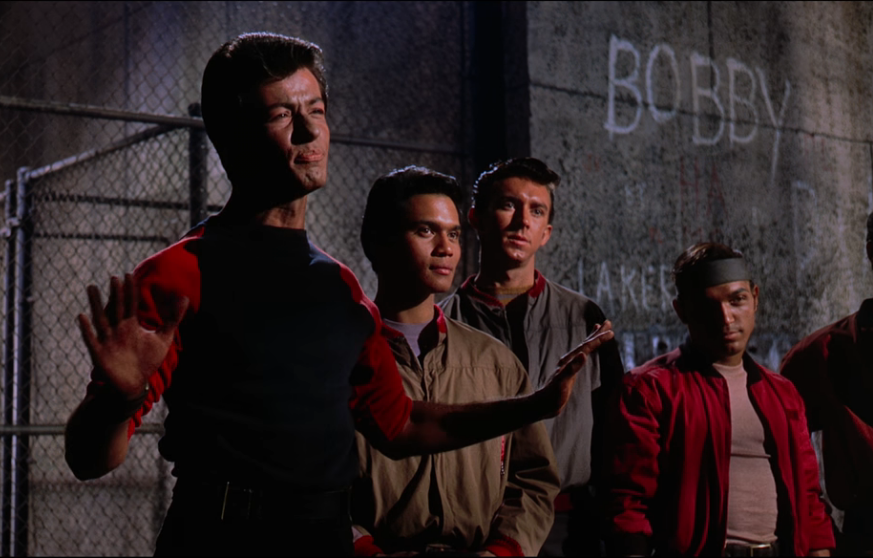
Bernardo leads the Sharks with a heavier, more grounded authority. He isn’t trying to take the neighborhood; he’s trying to survive it. The Sharks are more than a crew to him; they are a community displaced, dismissed, and forced to carve out belonging in a city that treats them like outsiders. He faces discontent at home, pressure from the Jets, and a neighborhood that never fully welcomes his people. Every day is a negotiation between dignity and danger, and Bernardo feels responsible for making sure his people don’t lose. His leadership begins with cultural protection.
Responsibility sits on Bernardo’s shoulders in a way that feels older than he is. He carries the weight of being the protector, the older brother, the one who must absorb the hostility directed at his people so they don’t have to. The Sharks look to him not for bravado, but for stability. Someone who can read the room, sense the threat, and stand firm when the world pushes back. In that environment, pride becomes armor. Dignity is the one thing he refuses to surrender because it would confirm every prejudice the neighborhood already holds.
Bernardo’s flaw mirrors Riff’s, but from a different angle. He can’t step outside the expectations of his crew, because those expectations are tied to survival, not swagger. His leadership is defensive, principled, and deeply personal. It is shaped by the belief that if he doesn’t hold the line, the world will swallow his people whole. But that same rigidity traps him. He can’t imagine coexistence without losing face, and he can’t imagine stepping back without betraying the community he’s sworn to protect. The pressure of the group amplifies his instincts until protection becomes escalation, and the armor he wears for his people becomes the very thing that leads them into tragedy.
NYC Reality Check
Urban renewal reshapes neighborhoods, immigrant communities fight for footing, and long‑standing residents cling to what still feels like home. Space is limited, opportunity is uneven, and identity becomes a survival strategy. In that environment, tribes form quickly and harden even faster. The Jets and the Sharks aren’t just rivals; they are products of a city that teaches young men to defend what little they have with everything they are.
Why It Still Matters
Leaders inherit environments they didn’t create and expectations they didn’t choose. The forces that cornered Riff and Bernardo: pride, fear, loyalty, and the need to protect your own all remain part of the modern landscape. Today’s leaders face the same crossroads they did. You can’t always change the environment around you. But you can choose how you respond to that pressure, and you can choose who you navigate the turmoil with.
Teaching Points
1. Leaders can become prisoners of their own image.
Riff and Bernardo lead from a place of expectation. Their crews need them to be unshakeable, so they never back down even when it’s the most dangerous choice they could make.
2. Identity can become a cage.
Both men define leadership as defending territory and protecting pride. Once leadership becomes about maintaining identity, escalation becomes inevitable.
3. The environment shapes the leader.
The pressures of the neighborhood — prejudice, displacement, territorial fear — harden both men’s instincts. They inherit a world that rewards posture over perspective.
4. Group loyalty amplifies individual rigidity.
The Jets and Sharks don’t just follow their leaders; they shape them. Mob mentality turns hesitation into weakness and pride into obligation.
5. Breaking the cycle requires someone willing to lose face.
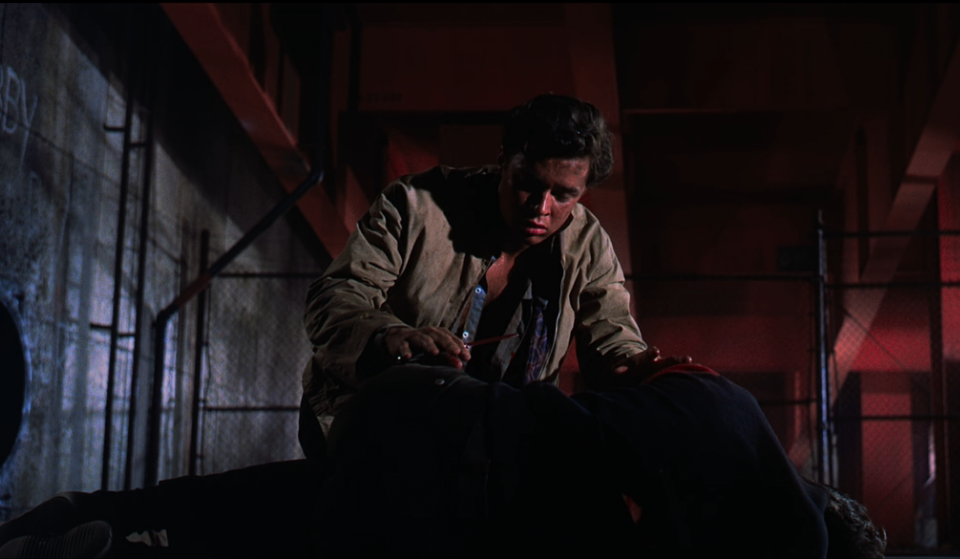
Tony tries to step outside the script, but the system is too rigid and the leaders too entrenched for his attempt to succeed.
6. Leadership built on pride collapses under pressure.
Neither Riff nor Bernardo can pivot. Neither can de‑escalate. Neither can imagine coexistence without losing face. Their rigidity becomes the fuse.
The Final Take
Riff and Bernardo learn the same lesson the hard way. You can’t change the environment you inherit, not the pressure, not the prejudice, not the shifting borders of a neighborhood in transition. But you can choose how you navigate the turmoil, and more importantly, who you navigate it with. They let the city’s tension define their choices instead of shaping their own path through it. Their loyalty becomes rigidity, their pride becomes armor, and the environment they’re trying to survive ends up consuming them.
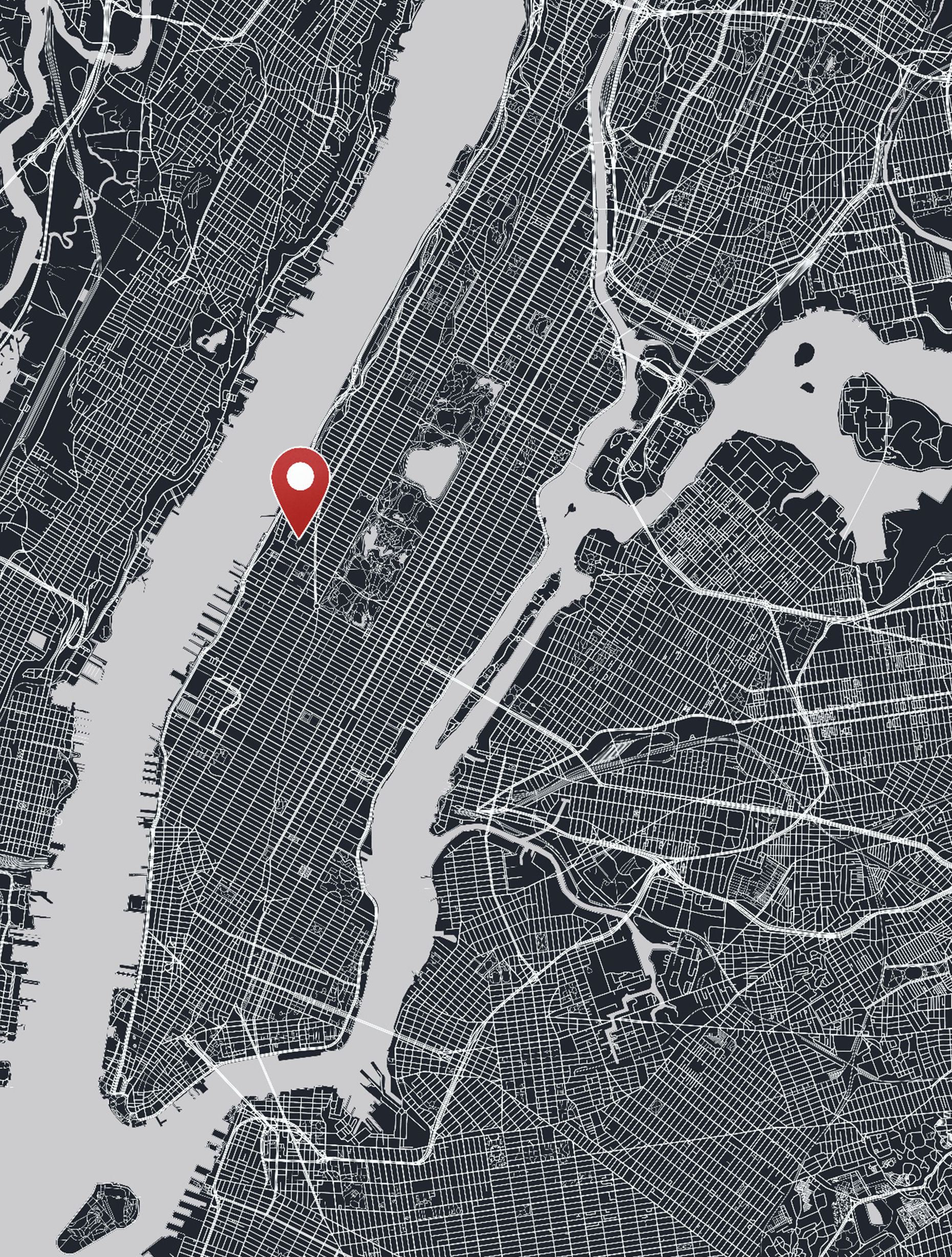
West Side Story was set on West 83rd Street at the current site of the Lincoln Towers Apartments. Pop Spots NYC has done detailed research to determine the exact blocks and buildings seen in the film.